Projects
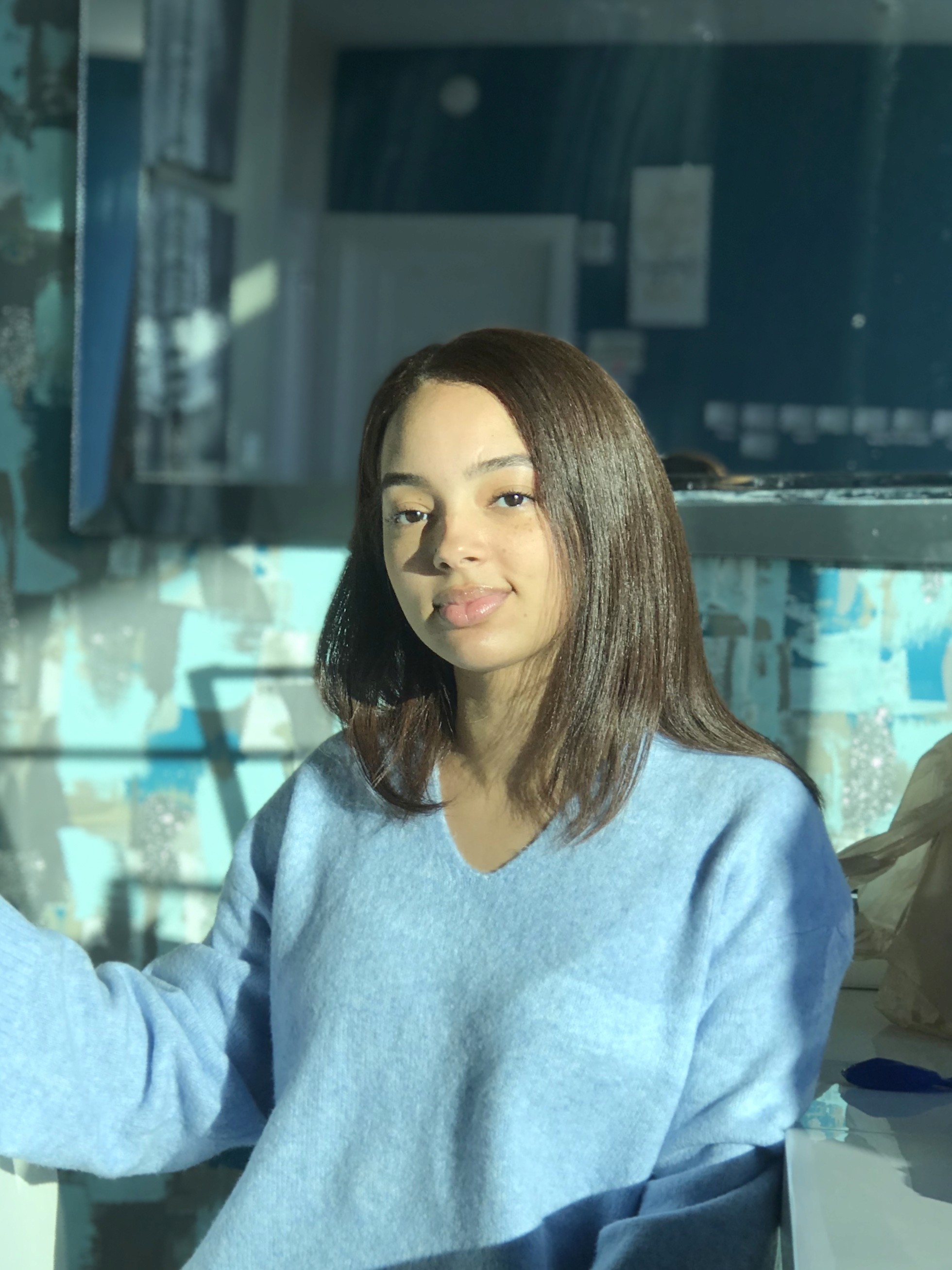
“[I decided to go to] college because I want to get into the business field, and the most efficient way for me to go about that [is] through college.There, I learned a lot, got [many] networking skills, met people from all fields, and [had a] good experience learning from professors. I could have gone anywhere, so I’m currently an analyst, and it works with my current role because I'm able to look at different policies. I’m in health insurance right now. With the business administration skills that I learned from college,[I can] apply [them] there and analyze all the claims that come in. I don't regret it at all. I'm very grateful and happy that I chose the route of college and [got] my business degree, especially from Uconn, a great accreditive accredited college. [However,] with my current knowledge. Honestly, maybe I would have gone the route where I would’ve got work experience rather than college experience, and not that I regret it, but possibly I could've learned different skills, more hands-on skills like from a job rather than [college] like seminars are not hands-on in my field so it is possible that I would have taken that route if I didn't go to college. Yeah, I might have learned more skills that way, but having said that, I don’t regret it. When I was younger, I thought that I would go to college. You know, like how the majority of people do it. I [figured] it would probably be the medical field when I was younger, but [I] think that I would have taken the educational route as well. I am [precisely] where I would be with the bachelor [business administration degree]. I think I achieved what I thought I would as a kid. I think it's amazing!”
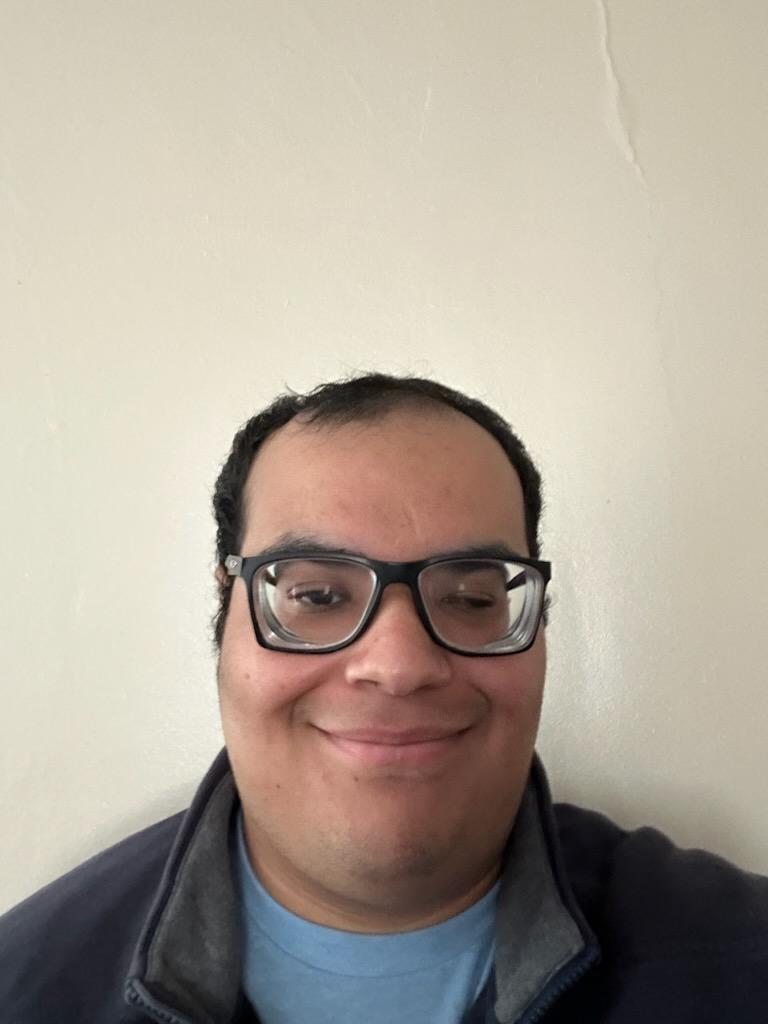
“For me, [it] was because my dad owned [several] landscaping businesses. After trying it for one summer, I knew then and there that it wasn't for me.I got my associate’s at Norwalk Community College in history, and the program I chose there will allow me to get automatic entry into Southern Connecticut State University, where I decided to continue pursuing my history degree, but [I] focused on education from 7th through 12th grade. [Currently graduated and pursuing student teaching]. No matter what, everybody who wants to become a teacher in Connecticut [must] become a student teacher first and do a 4-month internship. I have more regrets [about] what I didn't do in high school to help me in the path I'm going in right now. [I] wish that in high school, I tried more than before because I was keen on making sure I made [the] honor roll, and I never went up to a more challenging class because I was too lazy. [I was] scared that I [would] do worse, challenging myself. But if I [were] to say if I was going to do it again, I would do it all over again. A school diploma or GED [is essential] if you decide to drop out and then eventually come back in. To continue pursuing it. I advanced my expectations as a little kid because I grew up poor. Oh man, I will be stuck doing landscaping my whole life. I didn’t think I would have the opportunity to do what I'm doing now, but it's changed. Now, my expectations have been exceeded. Dramatically, because I never thought that [I’ll get] to the point I'm at with my degree, but now that I know that I exceeded it, I'm confident enough to say that I can. I'm willing to get my masters without doubting myself so much!”
My main goal was to understand why college was their first pick; today, many Americans (in particular) are going to the workforce first after some training. When asked if they could redo it, they would still pick college before going to the workforce, as it correlates with their career field. This was astonishing, as I assumed there would be some deviation if it were done again. My topic was mainly the difference between trade(jobs) and education. However, in the end, I leaned more towards education in general as it was a more substantial topic to report. I went with a more straightforward design for the poster, which appears more in a formal article, as the interview was on a more serious topic. I organized it as one individual who had no prior experience outside of education and the other who was a part of their father’s landscaping business. I felt that the design I used positively impacted the project by reinforcing professionalism in the area of education. I do want to dive more into why trades are viewed the way there are more. And, for exploring something my interview posed, I don’t think there was anything substantial that caught my eye to examine yet.
The main goal was to determine why they went to college rather than seeking work experience. This was important because it gave me raw input on why an individual might pursue a degree first.
The Route
I found that it was due to their self-proclaimed manifesto to obtain their bachelor's degree. This also allowed them to open the door to opportunities they're tackling now! One is en route to becoming a teacher, and another is striving to get into upper management.
It was interesting to speak to them. However, I did wish I had an opportunity to speak to someone who didn't attend to get unbiased results. However, the findings backed my initial observation that certain degrees in college are much needed. rather than just state you attended.